Child-Led Photography: Letting Children Lead The Way
Why do so many children dislike being photographed?
So often, photography asks children to perform: to sit still, to smile on cue, to behave a certain way for the camera. From their point of view, it can feel intrusive, overwhelming, or simply boring. Even when it’s well-intended, there is adult pressure to pose, to smile, to do it right. For many children, being asked to pose for a photo means being interrupted in what they were deeply engaged in: playing, exploring, daydreaming, moving. That interruption alone can feel frustrating or intrusive, and it’s often one of the main reasons children resist being photographed.
But what if we did it differently?
What if photography adapted to children instead of asking children to adapt to photography?
This is where child-led photography begins: by giving children space, agency, and trust. Fear not, this is not about letting chaos take over. Rather, it’s about meeting children where they are, and allowing real moments to unfold naturally. As a documentary family photographer in Dublin, I’d love to share more about this child-led approach and why it matters so much to me.
What is child-led photography?
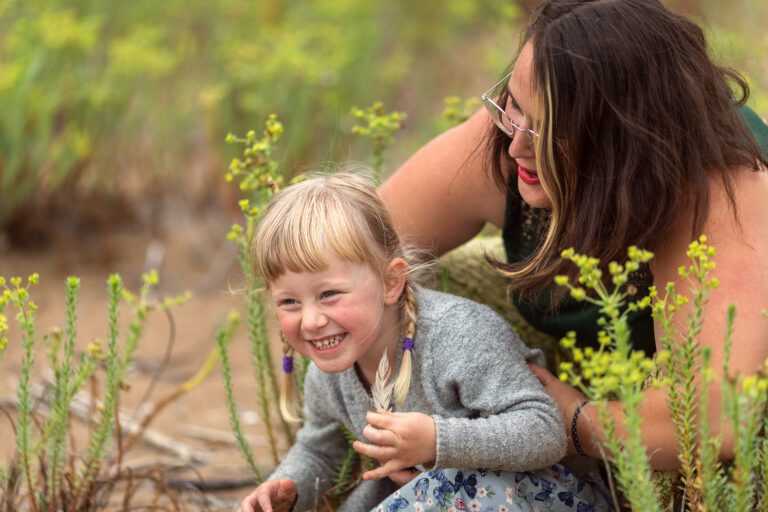
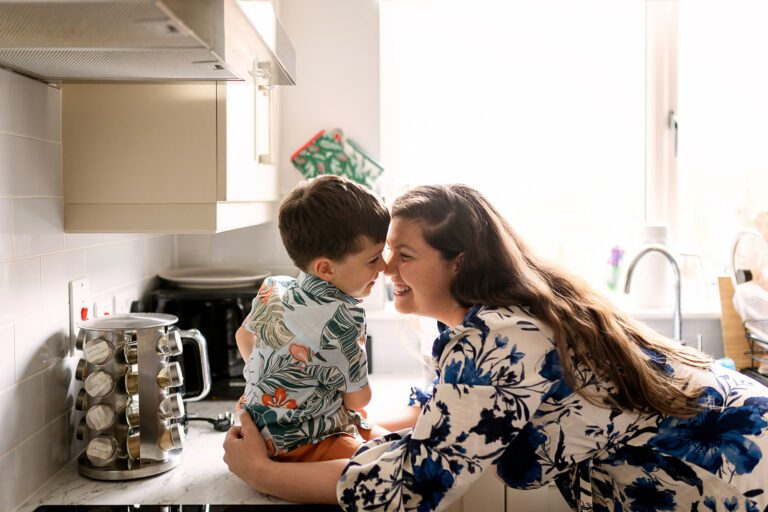
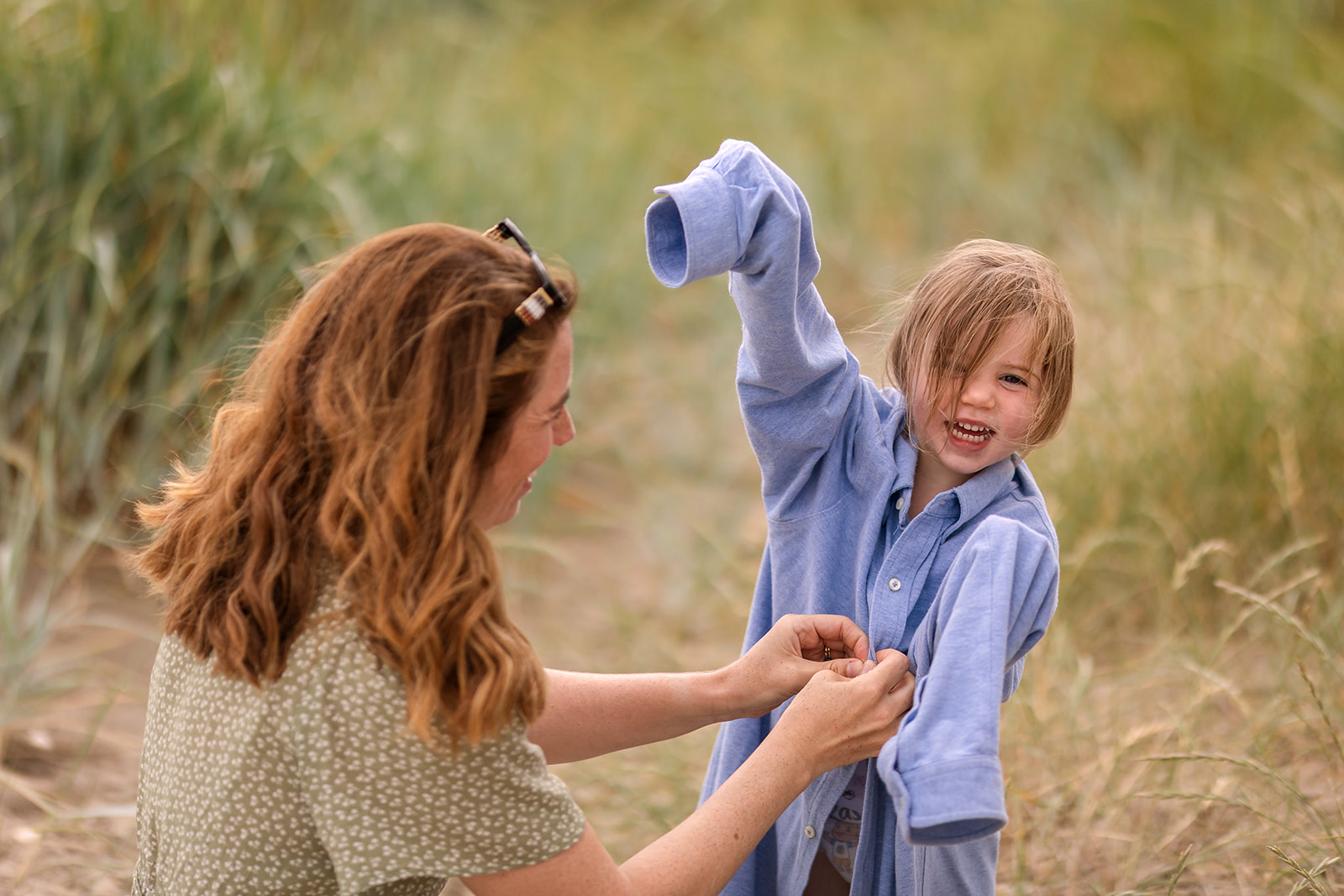
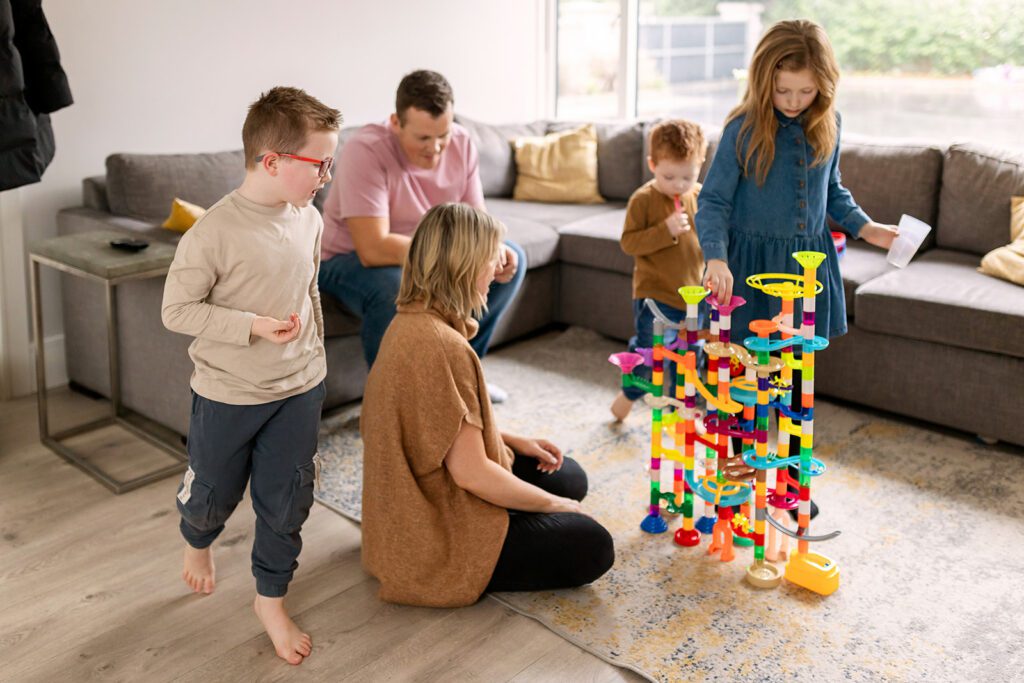
Child-led photography is an approach where children are not asked to perform, pose, or behave in a certain way for the camera. Instead, the photographer follows the child’s natural rhythm, interests, emotions, and movements. The child leads, the camera observes.
Rather than directing children with instructions like “look here” or “smile”, child-led photography creates space for children to be exactly who they are in that moment. Curious, shy, loud, quiet, playful, emotional… all of it is welcome.
Why child-led photography creates more meaningful images
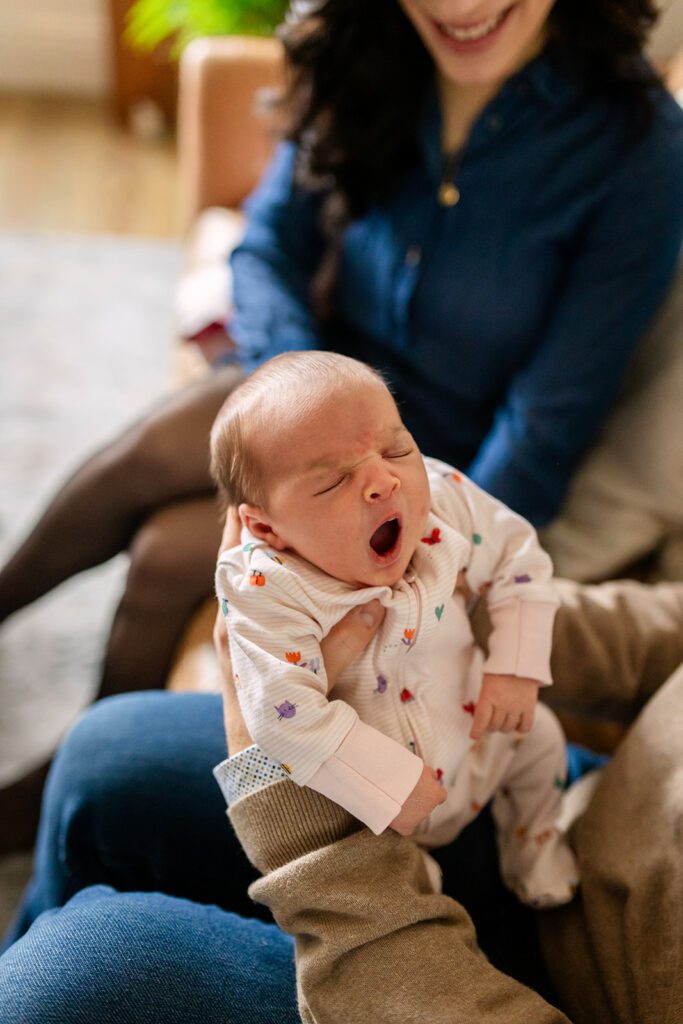
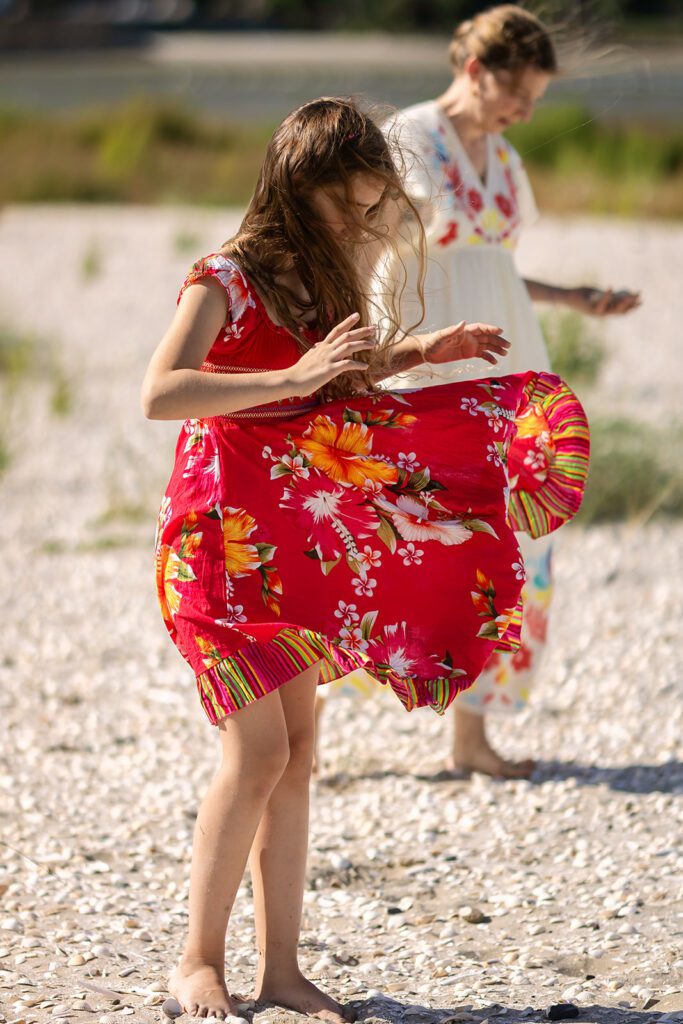
When children are allowed to be themselves, the images become more honest and emotionally rich. These photographs don’t just show what your child looked like, they reflect exactly who they were at that stage of life.
Child-led photography results in images filled with small, meaningful details: the way a child concentrates, their gestures, their body language, the way they interact with their environment or with you. These are the moments that tend to matter more over time than a perfectly posed smile and a fancy outfit. As children grow, they outgrow so many of those quirky, funny little things we love so dearly. Having photographs of them later on truly feels like gold.
Respecting children as individuals
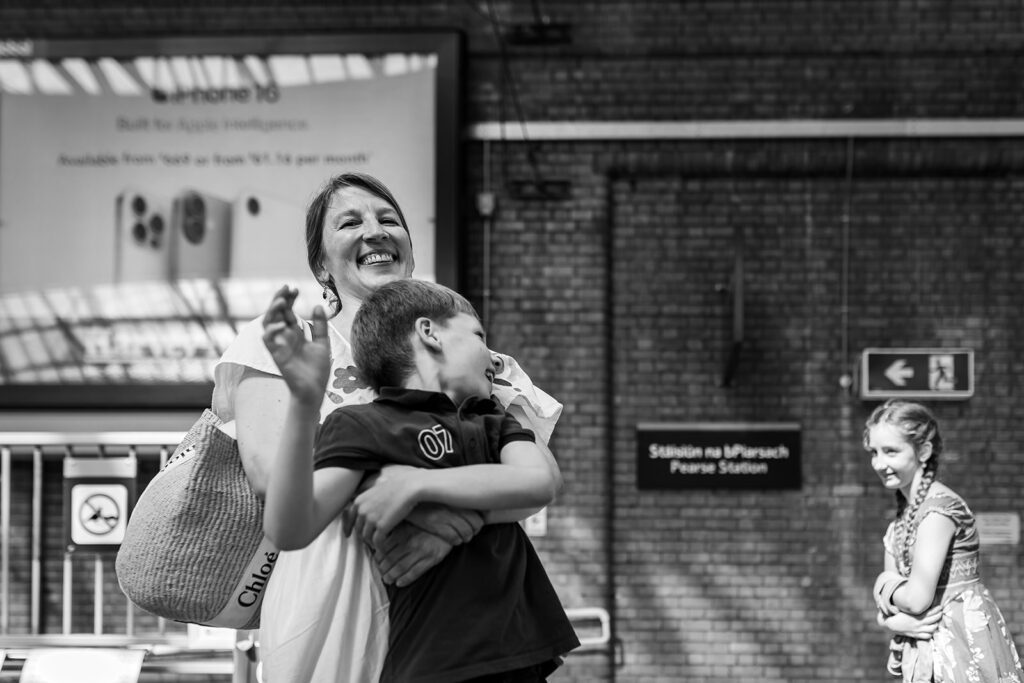
At the heart of child-led photography is respect. Respect for children as full individuals with their own personalities, boundaries, and emotions.
Some children warm up quickly. Others need time. Some want to engage with the photographer, others prefer to ignore the camera entirely. All of these responses are valid and I welcome them!
By letting children set the pace, we create a safer emotional space, and children feel it. When children feel respected and not pressured, trust naturally follows.
I always ask children if they’re happy to try a gentle prompt, like reading a story together or interacting with a sibling. And when a child says no, I never push! We simply do something else. Respecting their boundaries is not a limitation; it’s what allows trust and genuine moments to emerge. Read more about how to prepare your child.
Letting go of expectations
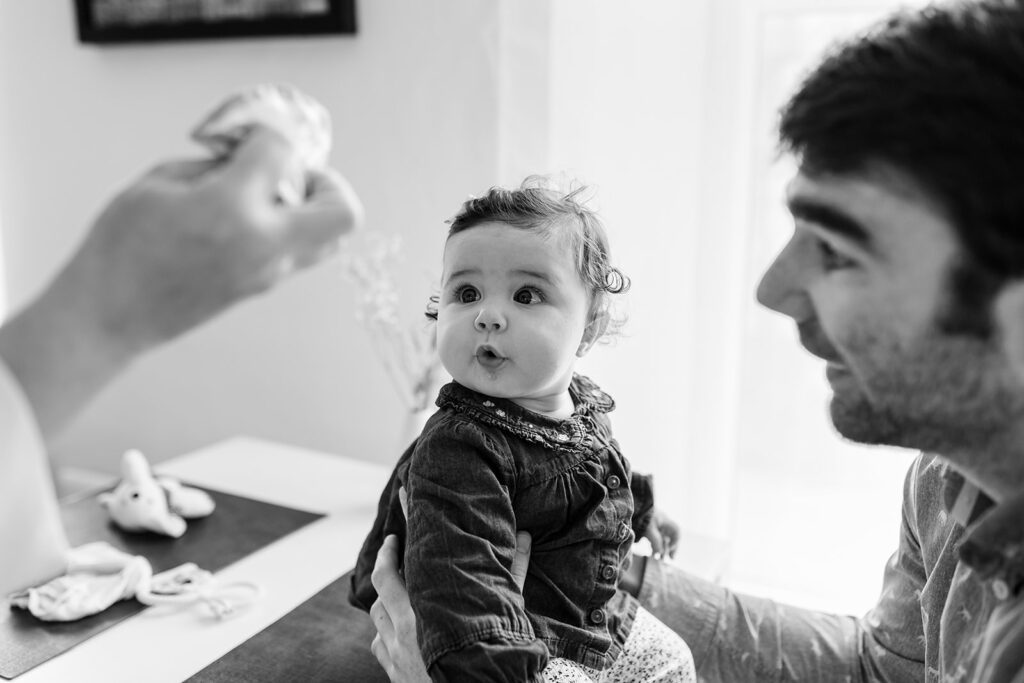
One of the biggest shifts for parents during a child-led session is letting go of expectations.
There may be no eye contact with the camera. No big smiles. No matchy-cutsie outfits. And that’s okay.
Instead, you might get images of quiet everyday moments, movement, laughter, frustration, tenderness, or deep concentration. These moments are often far more representative of daily life, and far more meaningful in the long run.
Following the child’s rhythm
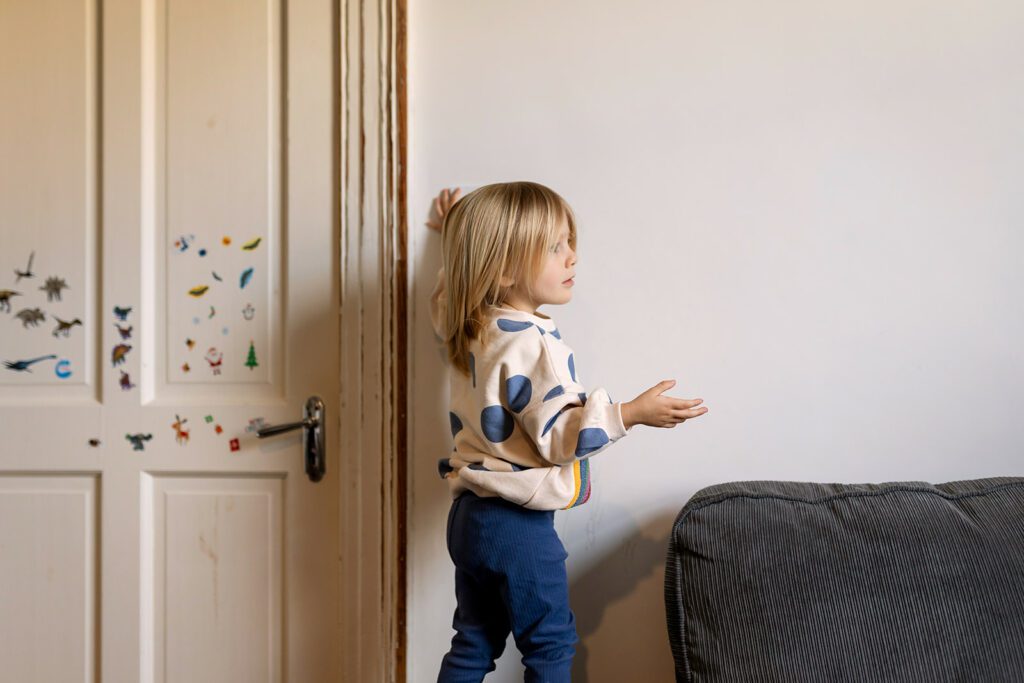
Children have their own rhythms. They move, pause, observe, repeat, explore.
In child-led photography, the photographer adapts to that rhythm rather than trying to control it. Sessions naturally include moments of energy and moments of calm. Nothing is rushed. This is why my family sessions are 1.5 hours, so we have plenty of time to pause for a snack, go for a walk, and include all of your child’s favourite activities. If you’d like a complete experience with even more time, then a day in the life is the right session!
This approach is especially valuable for sensitive children, neurodivergent children, or children who struggle with traditional photo sessions.
The role of the parent in child-led photography
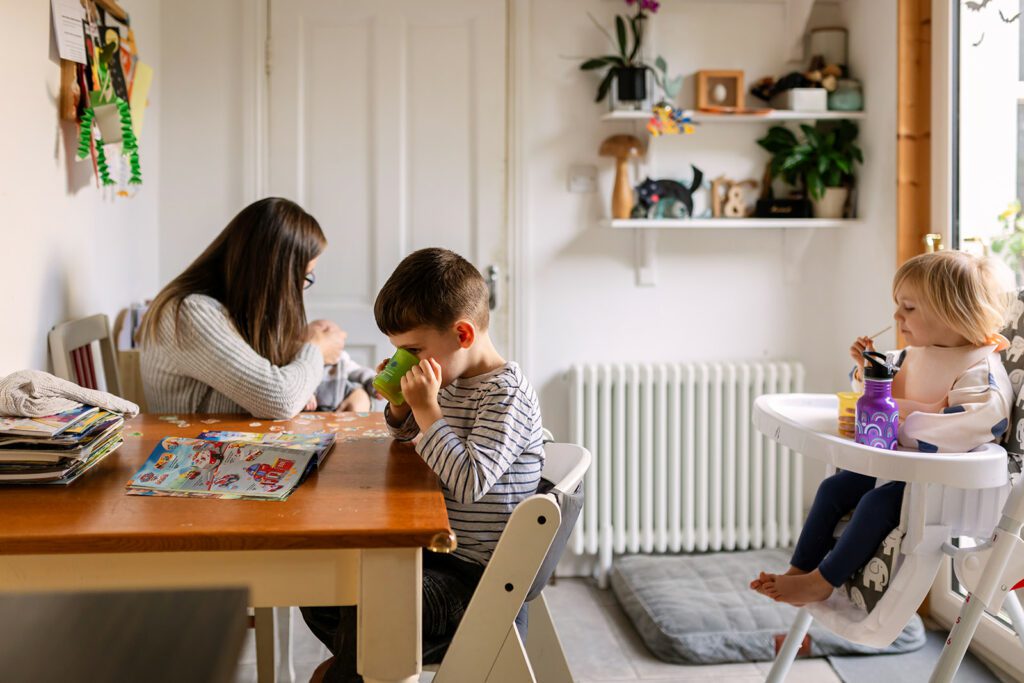
Parents don’t need to do anything special during a child-led session.
Your role is simply to be present and respond to your child naturally. To hold space when emotions come up. To play, listen, tickle, cuddle, or sit quietly… whatever feels right in that moment.
Children feel safest when parents are relaxed. When you let go of trying to manage the outcome, your child is free to just be. It’s also a great option for busy parents, since it requires very little planning!
Why these photos age so well
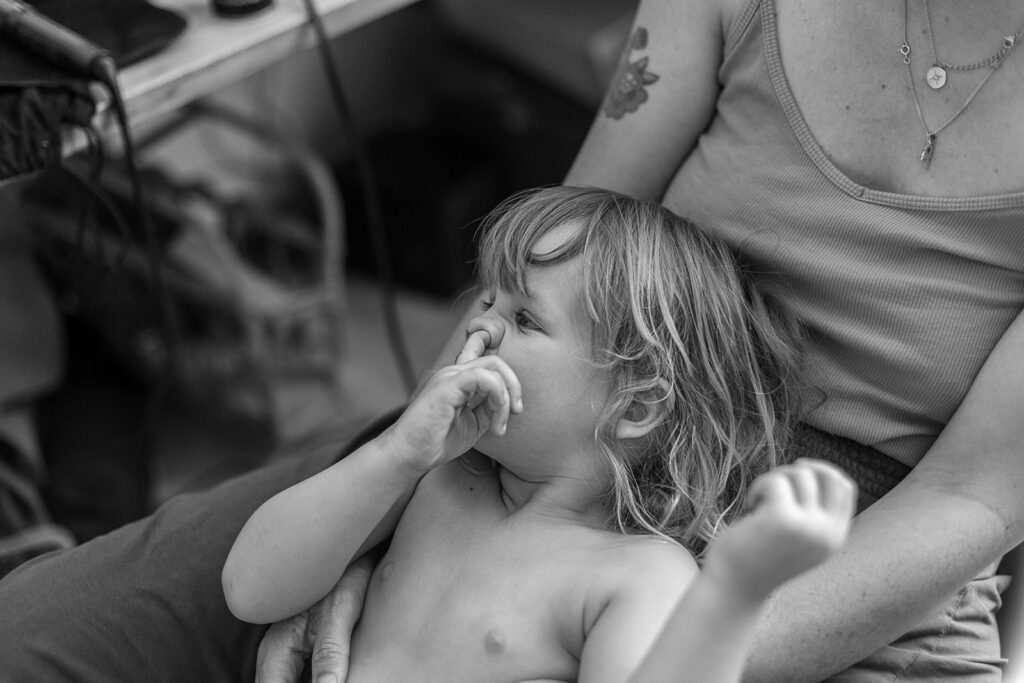
Child-led photographs often grow in value over time.
Years later, parents frequently say: “This is exactly how they were.” The gestures, expressions, habits, and interactions become incredibly powerful reminders of a specific season of childhood.
These images don’t rely on trends, props, or poses. They are rooted in real life, which is why they age so beautifully.
Read more about why family photos are the best gift for your children
Is child-led photography right for your family?
Child-led photography is ideal if:
- Your child doesn’t enjoy being posed or directed
- You value natural, honest moments over perfect smiles
- You want photos that reflect real life, not a version of it
- You want your child to feel respected and at ease
If traditional photo sessions have felt stressful in the past, this approach can be a refreshing alternative.
If your child needs space, gentleness, and freedom to be themselves, this approach may be exactly what you’ve been looking for.
Learn more about my documentary family sessions and get in touch with me! I can’t wait to meet you and your kids.